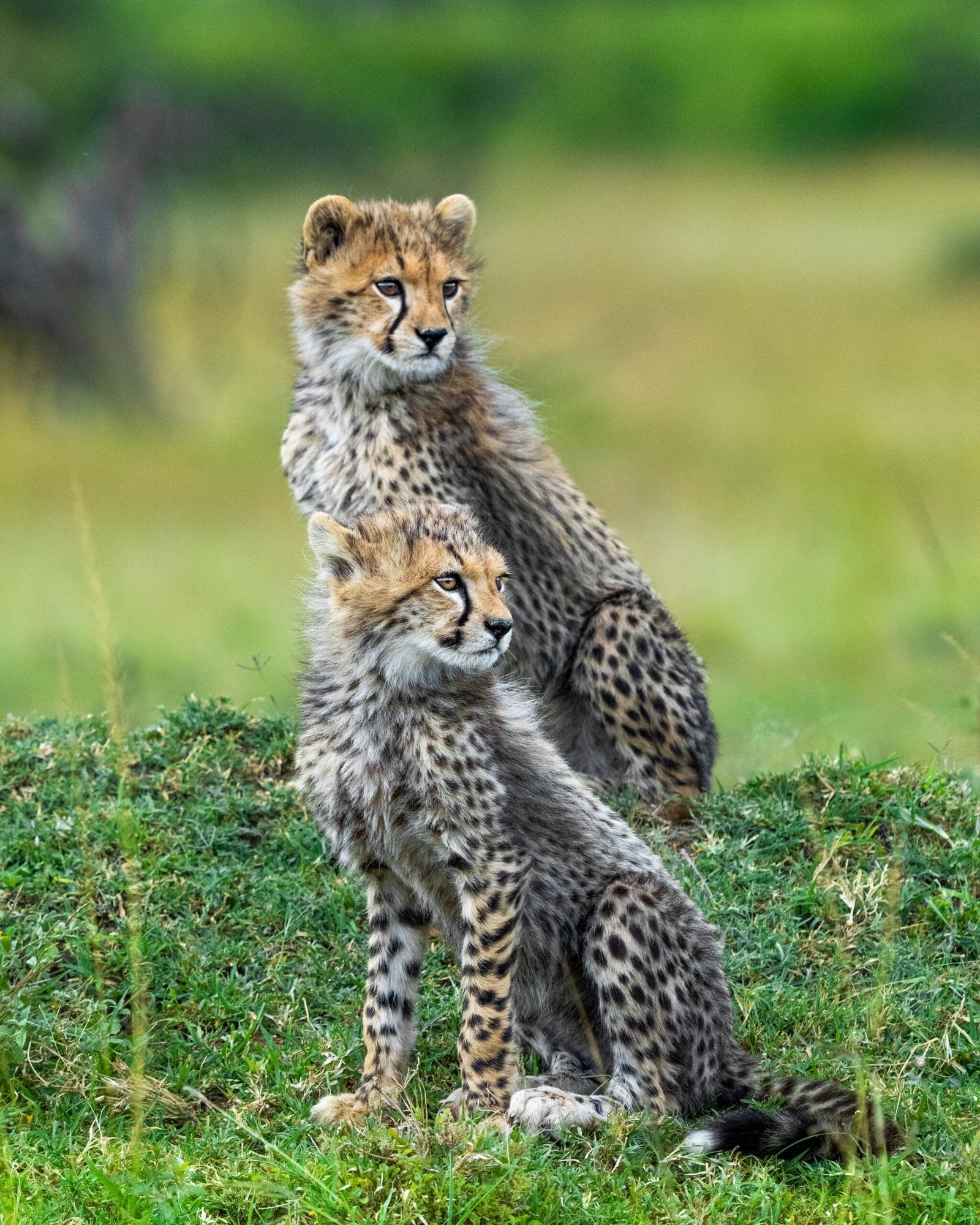


A Field Guide to Better Wildlife Photography in the Woods
Photographing wildlife in the woods is part preparation, part patience, and part paying attention. Animals rarely appear on cue, but a thoughtful approach can help you capture natural moments without disturbing the habitat. You do not need an elaborate kit: a camera or phone, suitable clothing, and time to observe are a strong start.
Prepare Before You Set Out
Check the weather and choose a quiet trail where wildlife is likely to be active. Early morning and late afternoon often offer softer light and more animal movement. Wear muted colours, silence your phone, and pack only what you can carry comfortably. If using a camera, learn how to adjust focus and exposure before you arrive; fumbling with settings can make you miss a brief encounter.
Move Slowly and Notice the Signs
Walk at an easy pace, pausing often to listen. Rustling leaves, bird calls, tracks, and chewed plants can point to nearby animals. Avoid approaching directly or making sudden movements. Instead, stay on established paths and let wildlife decide whether to remain nearby. A longer lens can help you frame a close-looking image from a respectful distance. Never bait, chase, corner, or handle an animal for a photograph.
Make the Most of Natural Light
Forest light changes quickly, with bright patches and deep shade in the same scene. Look for an uncluttered background and position yourself so the animal’s face is visible. In low light, steady your camera against a tree or use a faster shutter speed to reduce blur. Take a few frames, then pause; a quiet moment may bring a more natural pose than a burst of activity.
Keep the Experience Wildlife-Friendly
Stay alert to nesting areas and signs that an animal is stressed, such as alarm calls, repeated retreat, or defensive behaviour. Back away if you see these cues. Follow local rules, leave plants and habitats undisturbed, and avoid sharing precise locations of sensitive species. The best woodland photographs are worth making only when the animal’s wellbeing comes first.